About S.S. Thermowells
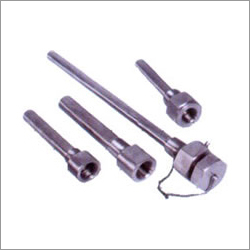
S.S. Thermowells are used to provide an isolation between temperature sensor & environment, either liquid or gas. It allows the temperature sensor to be removed without any compromise. It protect the temperature sensors from strict industrial processes like hydrostatic & aerodynamic forces. S.S. Thermowells are usually installed in the piping systems for optimum performance. They are designed to consider high pressure, temperature, critical frequency and intensity of flow of media
Robust and Customizable DesignS.S. Thermowells are tailored to suit individual process requirements with customizable stem lengths, diameters, and port sizes. Manufactured from high-grade stainless steel, they feature a polished or ordered finish that enhances both durability and appearance. Their adaptability ensures optimal protection and performance in a wide array of industrial settings.
Reliable Protection for Temperature SensorsEngineered for use in aggressive environments, these thermowells act as a shield for temperature instruments. Their leak-proof, corrosion-resistant construction maintains sensor accuracy and extends lifespan, while meeting stringent industry standards like ASTM, DIN, or ANSI. Multiple connection and mounting options make installation straightforward and versatile.
Suitable for Diverse Industries and ApplicationsIdeal for process protection in industries such as chemical, petrochemical, oil & gas, power generation, HVAC, and food processing, S.S. Thermowells deliver consistent results. Their compatibility with liquids, steam, and gases ensures reliable temperature measurements, making them essential for maintaining process efficiency and sensor integrity.
FAQ's of S.S. Thermowells:
Q: How do S.S. Thermowells protect temperature sensors in industrial applications?
A: S.S. Thermowells serve as barriers, isolating temperature sensors from direct contact with process media. This protection extends the sensor's lifespan and ensures accurate readings by preventing exposure to high pressure, corrosive substances, and flow-induced damage.
Q: What process connections are available for S.S. Thermowells and how are they installed?
A: These thermowells offer a variety of process connections, including BSP, NPT, flanged, and welded options. They can be mounted either horizontally or vertically, tailored to your process layout and requirements, making installation flexible and convenient.
Q: When should I select a customized thermowell stem length or outer diameter?
A: Customized stem length and diameter should be chosen based on the specific process conditions, such as pipe size, insertion depth, and required sensor coverage. This ensures optimal response time, accuracy, and compatibility with your process and instrumentation.
Q: Where are S.S. Thermowells commonly used, and what industries benefit most from them?
A: They are widely used in chemical, petrochemical, oil & gas, food processing, power plants, and HVAC industries-any setting requiring reliable temperature sensing and sensor protection in demanding environments.
Q: What is the typical pressure and temperature rating for S.S. Thermowells?
A: These thermowells can withstand high pressures, up to 6000 psi or as specified, and temperatures up to 800C (depending on the stainless steel grade used), making them suitable for various industrial processes.
Q: How does the leak-proof and corrosion-resistant design benefit industrial operations?
A: Leak-proof construction prevents process media escape, ensuring safety and reducing maintenance. Excellent corrosion resistance guarantees long-lasting operation, minimizing sensor replacement costs and downtime.
Q: What standards do S.S. Thermowells comply with, and why is this important?
A: They are manufactured to meet ASTM, DIN, or ANSI standards, as specified in the order. Compliance with these standards assures consistent quality, performance, and safe integration into existing industry systems.





 Send Inquiry


 Send Inquiry
